
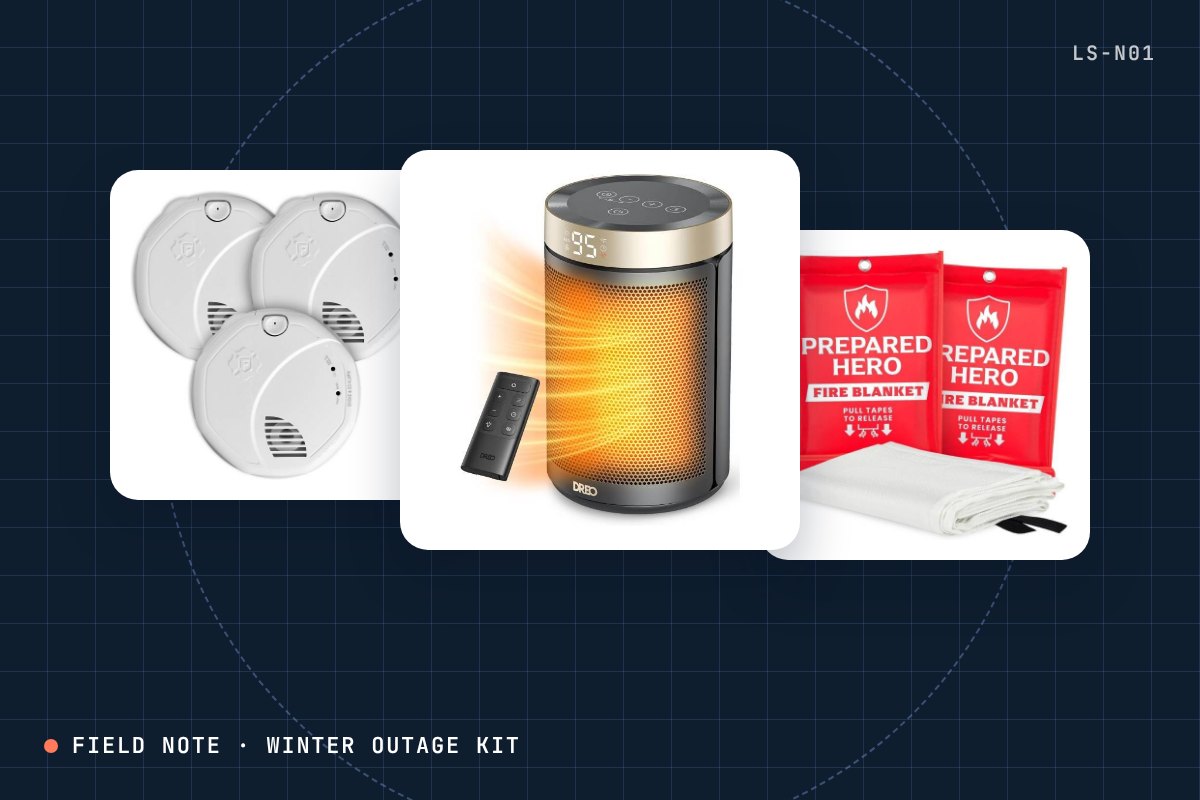
When the power drops in January, the first hour matters most. Here is a simple kit that keeps a household safe and warm.
Start with detection
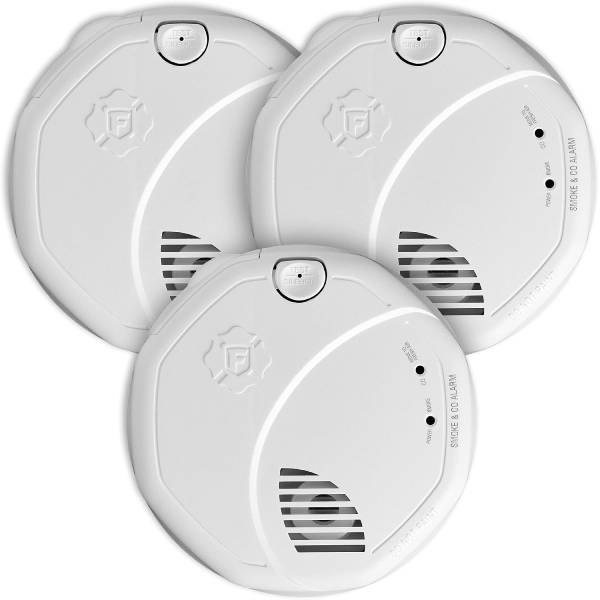
If you heat with wood, oil or propane, carbon monoxide is the first thing to plan for. A combined smoke and CO alarm on every floor, and one near the bedrooms, gives you early warning when a backup heat source is running. Test it on the first day of every month.
Plan for one warm room
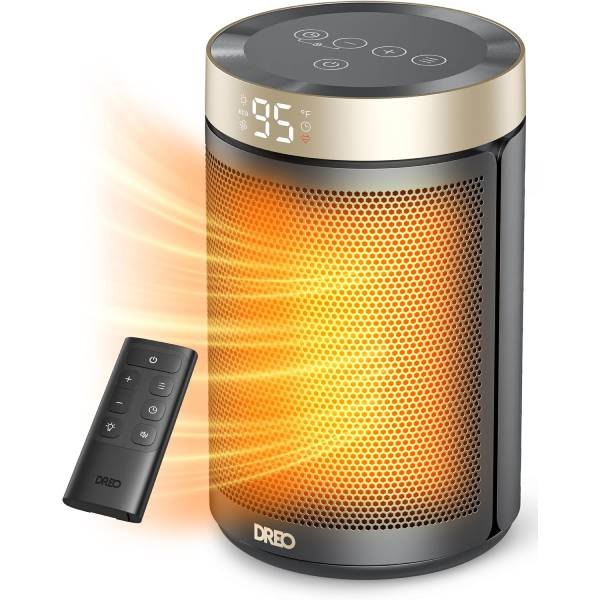
Pick the room that is easiest to keep warm, usually an interior room with few windows. When power returns or a generator is running, a small heater with tip-over protection can keep that one room comfortable. Never use outdoor heaters, grills or camp stoves indoors.
Keep fire tools where you cook
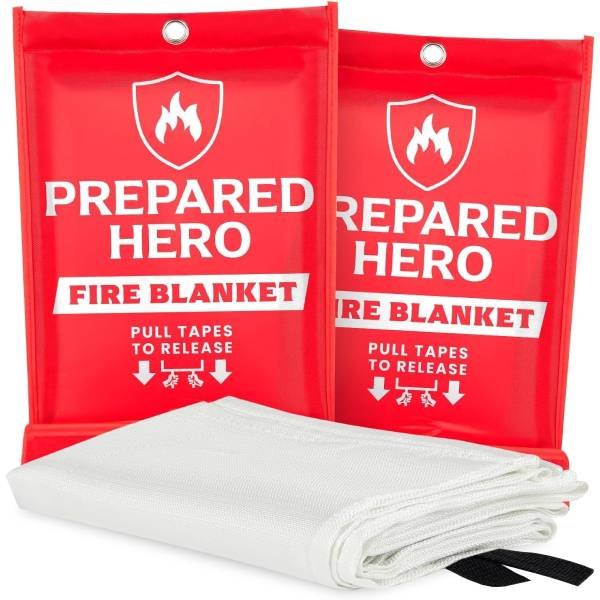
Outages mean candles, lanterns and more cooking on a woodstove. A fire blanket mounted near the stove handles small fires in seconds without any training.
The rest of the kit
Add flashlights and spare batteries, a few days of water and shelf-stable food, a list of medications, a charged power bank and paper copies of important numbers. Store everything in one bin by the door so everyone knows where it is.
Shop this kit
Need advice?Call us at +1 907-420-0483 and we will help you choose.